When your home's exterior starts looking tired, you're usually choosing between two paths: repaint the siding or replace it. It's a decision worth getting right, because your exterior protects the house and drives curb appeal, and the two options sit at very different price points. Repainting refreshes the look and adds a protective layer for a modest cost. Replacing siding is a bigger investment, but it's the answer when the material itself has failed. For Connecticut homeowners, where siding takes a beating from snow, humidity, and coastal salt air, the condition of your siding matters as much as its appearance. In this guide, we'll walk through when repainting is the right call, when it's time to replace, how the costs stack up, and the warning signs that tell you which way to go. A clear-eyed look at your siding's condition is the key to spending your money where it counts.
When Repainting Is the Right Call
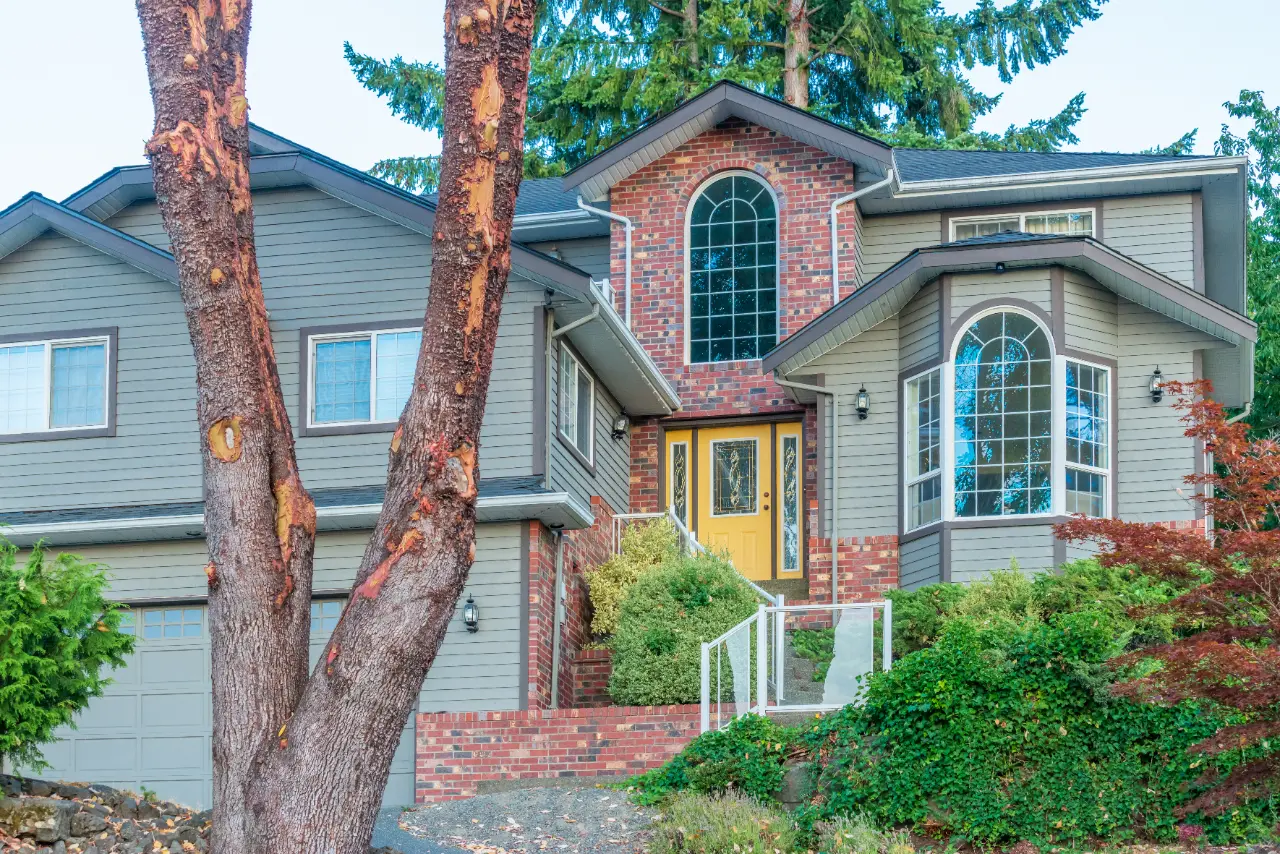
If your siding is structurally sound and just looks dated or worn, repainting is almost always the better value. Wood siding in good shape is a perfect candidate, since a fresh coat protects it and updates the look for a fraction of replacement cost. The same goes for previously painted surfaces that are fading or showing minor wear. Repainting lets you change your home's color, refresh curb appeal, and add a protective layer against Connecticut weather, all without the cost and disruption of tearing off siding. Proper prep is what makes it last: cleaning, scraping, priming bare spots, and using quality, weather-resistant paint. If your siding's problems are cosmetic, and the material underneath is solid, a quality repaint is the smart, cost-effective move that can keep your exterior looking great for years.
When It's Time to Replace
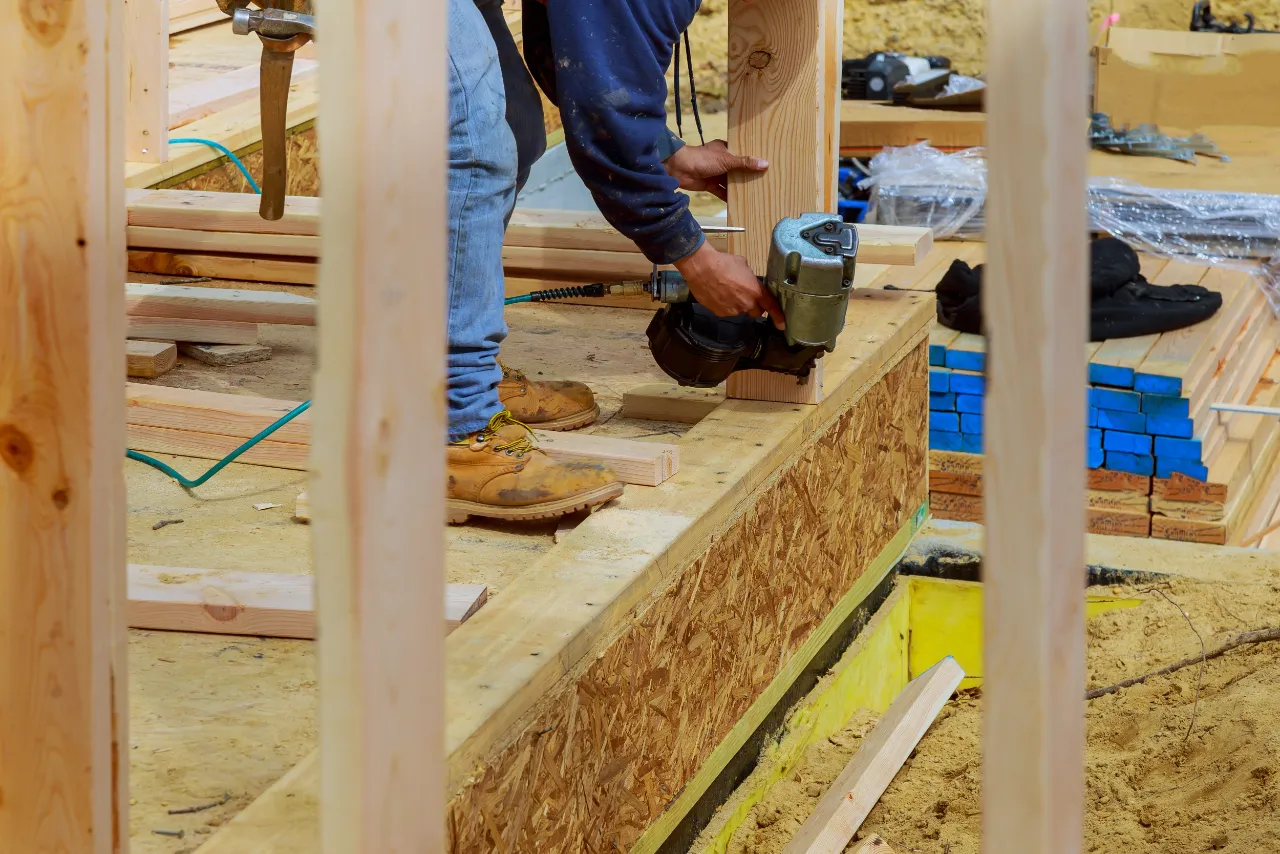
Repainting can't fix siding that has failed. If boards are rotting, cracking, warping, or crumbling, paint only hides the problem temporarily while moisture keeps working underneath. Widespread damage, persistent moisture intrusion, or siding that's simply at the end of its life all point to replacement. The same is true if you're dealing with pervasive issues like buckling or areas that no longer hold paint at all. Replacing siding costs more up front, but it solves the underlying problem, improves insulation and weather resistance, and can dramatically update the home. For Connecticut homes exposed to freeze-thaw cycles and coastal salt air, siding that has genuinely failed isn't worth throwing paint at. In those cases, replacement is the investment that actually protects the house and pays off over the long run rather than resetting the same problem.
How the Costs Compare
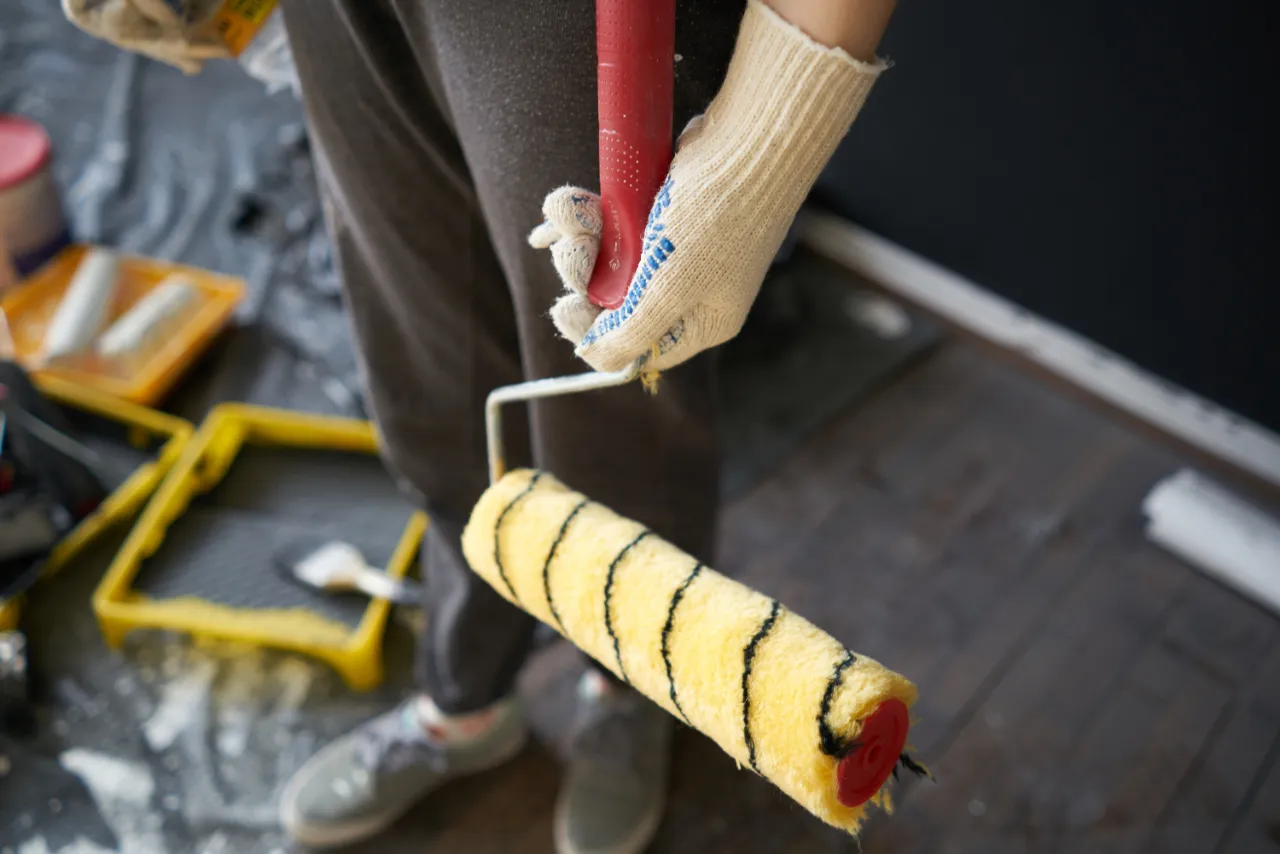
The cost gap between the two options is significant, which is why the decision matters. Repainting is far more affordable, since you're paying for prep, materials, and labor to coat the existing surface. Replacing siding involves removing the old material, addressing anything underneath, and installing new siding, so it runs several times the cost of a repaint. That's exactly why condition should drive the decision. Spending replacement money on siding that just needs paint wastes budget, while spending paint money on failed siding wastes it a different way, since you'll be replacing it soon anyway. Think about the time horizon too: a quality repaint buys years, and replacement is a longer-term solution. The most cost-effective choice is the one that matches your siding's actual condition. A professional can assess it and give you real numbers for both paths.
Warning Signs to Watch For
A few signs help point you toward the right decision. If you see peeling or blistering paint, that alone usually means a repaint with proper prep, not replacement. But soft or spongy spots, visible rot, cracked or warped boards, gaps that let water in, or siding that won't hold paint anymore are red flags that the material has failed. Mold and mildew that keep returning can signal trapped moisture worth investigating. Rising energy bills sometimes point to siding and insulation that are no longer doing their job. When you notice these deeper issues, a repaint is a temporary patch at best. The safest approach is to have a contractor inspect the exterior, since the difference between a cosmetic problem and a structural one isn't always obvious from the ground. That inspection tells you where to put your money.
Recent Work
Quick Tips
- Scrape back to a sound edge before any new coat goes on.
- Prime every spot of bare wood, not just the worst areas.
- Paint in dry, mild weather so the coat cures properly.
- Fix the moisture source first, or the peeling comes back.
Planning this project?
Tell us what you have in mind and we will send a free, no-obligation estimate.
Get Free Estimate