If you're staring at peeling exterior paint in Connecticut, you're not alone. It's one of the most common complaints we hear from homeowners across the state, and it almost never fixes itself. Left alone, peeling paint spreads, exposes bare wood to moisture, and turns a simple repaint into a bigger repair. The good news is that peeling paint is usually a symptom of a few predictable problems, and once you understand what's really going on, the fix is straightforward. Connecticut's climate plays a big role here. Between humid summers, freezing winters, and constant freeze-thaw cycles, exterior paint takes a beating every year. Add in poor prep or the wrong product, and paint starts lifting within a season or two. In this guide, we'll walk through what causes exterior paint to peel, why local weather makes it worse, how to fix it properly, and how to stop it from happening again.
What Causes Exterior Paint to Peel?
Peeling almost always comes down to adhesion. If the new coat can't bond to the surface underneath, it lifts. The most common cause is moisture, whether from rain, humidity, or a hidden leak, getting behind the paint film. Poor surface prep is next: painting over dirt, chalky old paint, or glossy trim without sanding gives the paint nothing to grip. Skipping primer on bare wood is another big one. Sometimes the problem is too many old layers that have gotten brittle and let go all at once. And painting in the wrong conditions, like high humidity or direct heat, keeps the coat from curing properly. Figuring out which of these is happening matters, because scraping and repainting without fixing the root cause just resets the clock on the same problem.
How Connecticut Weather Makes It Worse
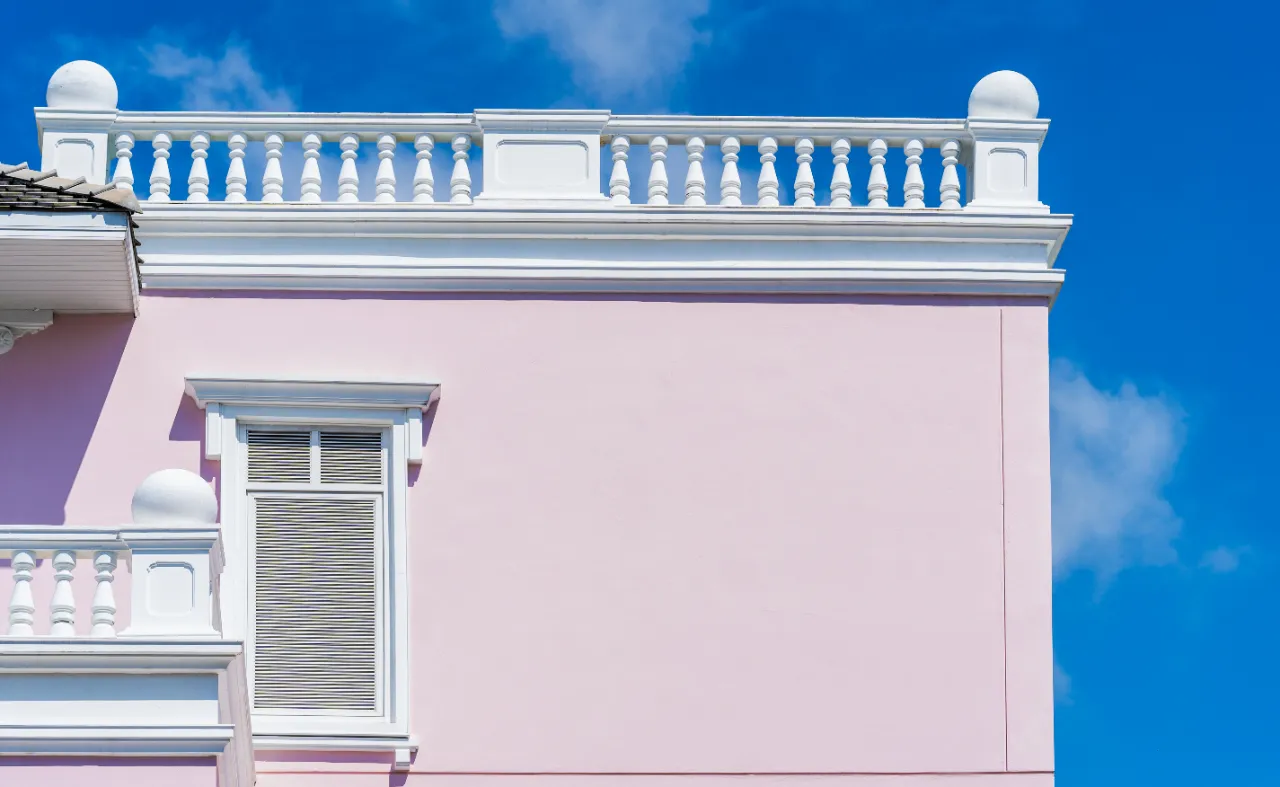
Connecticut is tough on exterior paint. Our winters bring snow, ice, and repeated freeze-thaw cycles that expand and contract the paint film until it cracks. Summers are humid, and that trapped moisture works its way under the coating. Homes near the shoreline deal with salt air that speeds up wear even more. South- and west-facing walls take the most sun, so they often fade and peel first. Older Connecticut homes add another wrinkle, since many have layers of aging paint and wood that moves with the seasons. All of this means a paint job that might last years in a milder climate can fail faster here if it wasn't prepped and applied correctly. Choosing weather-resistant coatings and painting during dry, mild weather makes a real difference in how long the finish holds up.
How to Fix Peeling Paint the Right Way
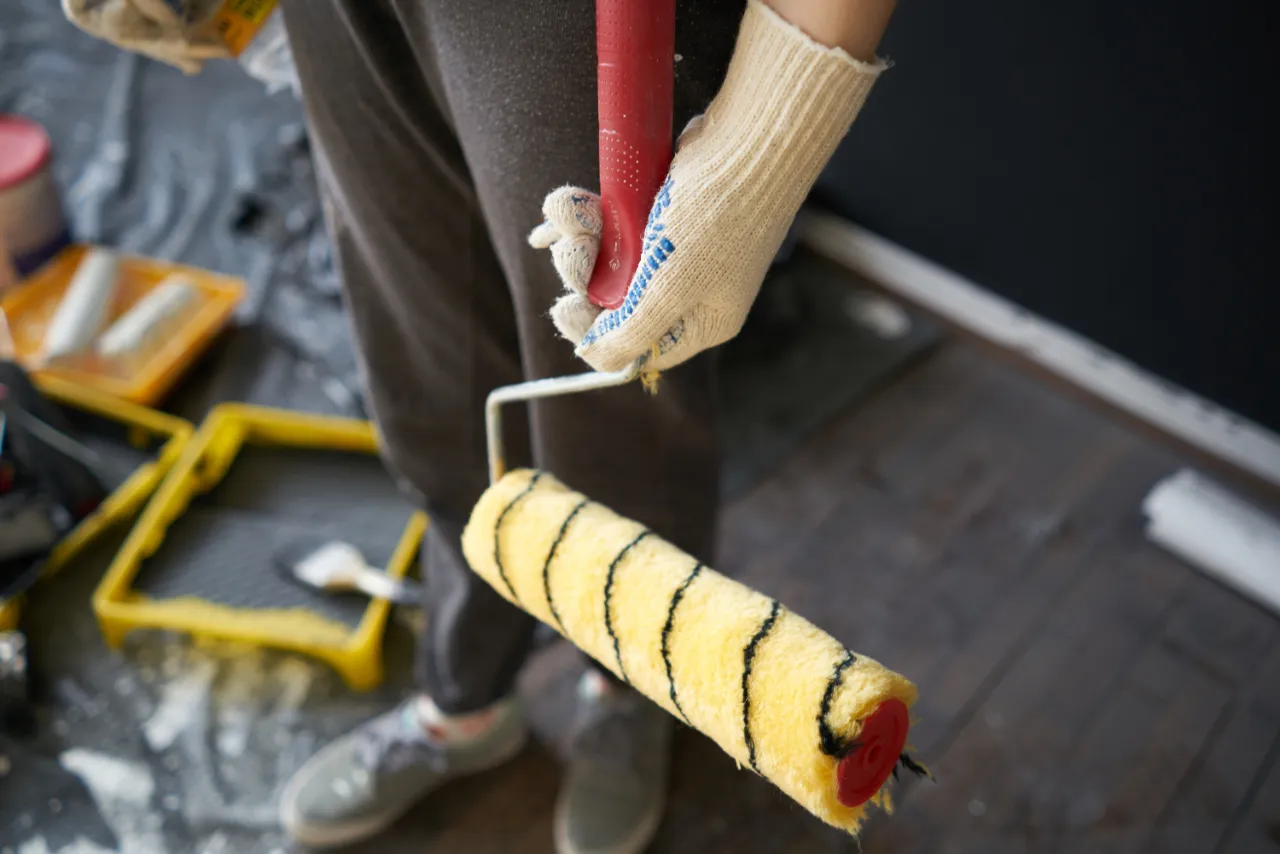
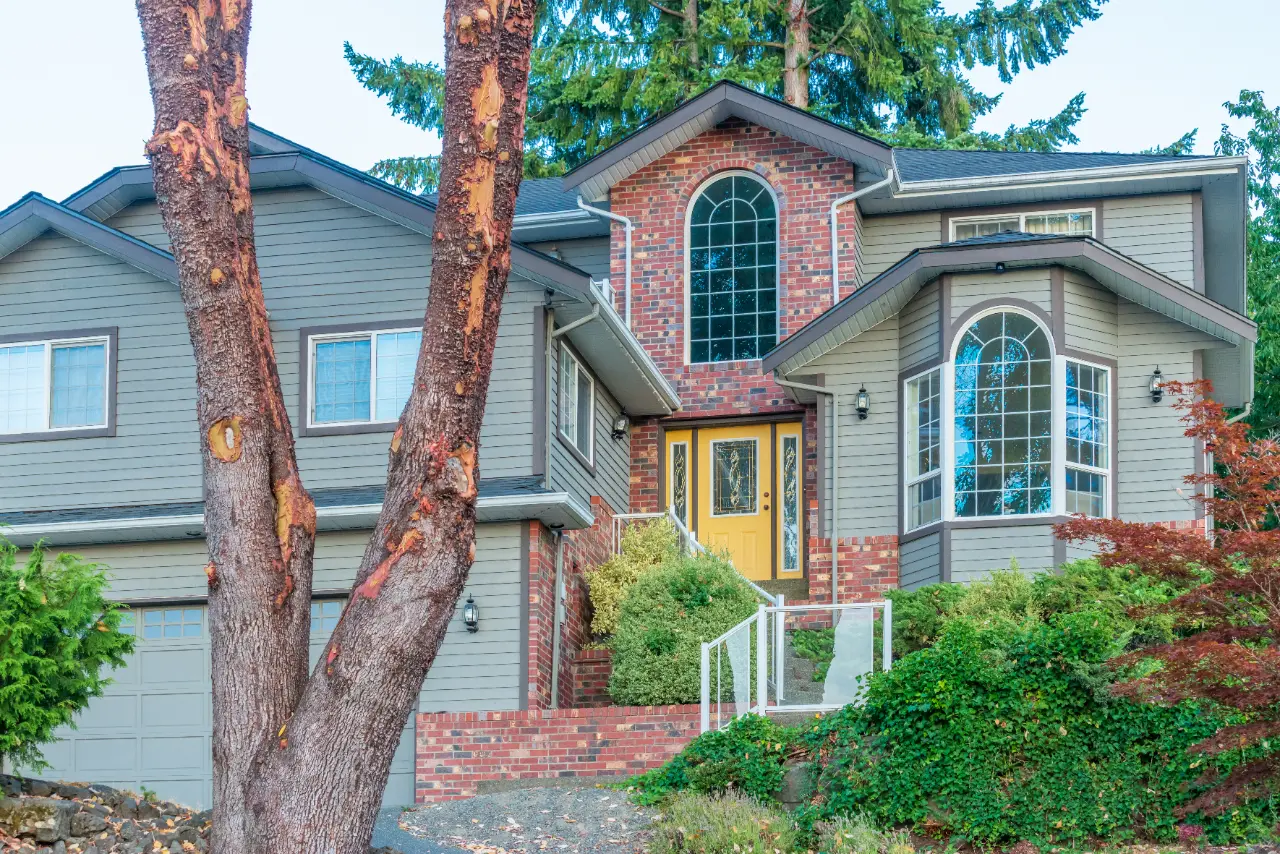
Fixing peeling paint is about prep, not just a fresh coat. Start by scraping away all the loose, flaking paint down to a sound edge. Sand the edges smooth so there's no visible ridge between old and new. Wash the surface to remove dirt, chalk, and mildew, and let it dry fully. Any bare wood needs a quality primer so the topcoat has something to bond to. Caulk gaps around trim and joints to keep water out. Then apply two coats of a durable, weather-resistant exterior paint in dry, mild conditions. Rushing any of these steps is what leads to repeat peeling. If moisture is the underlying issue, that has to be addressed first, whether it's a gutter problem, poor ventilation, or a leak, or the new paint will peel too.
How to Keep Paint From Peeling Again
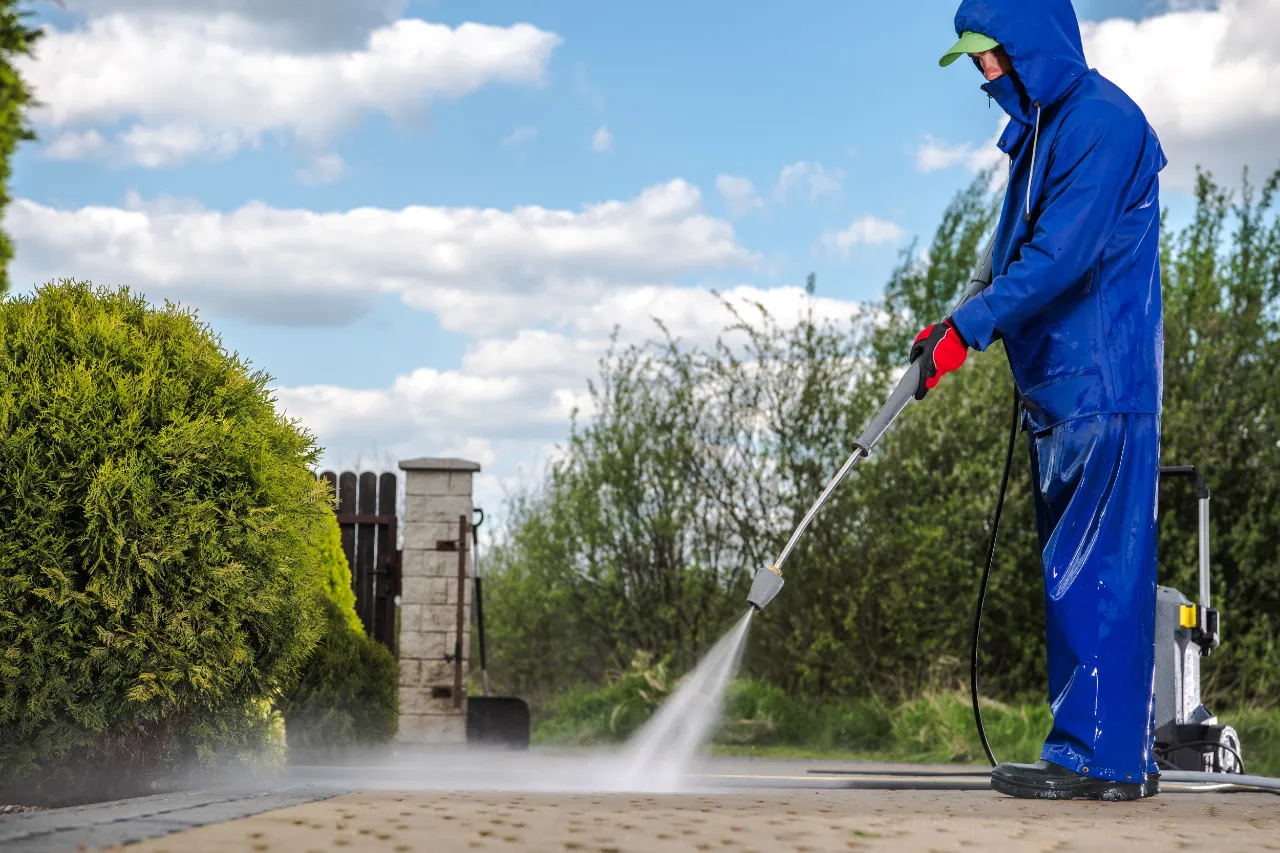
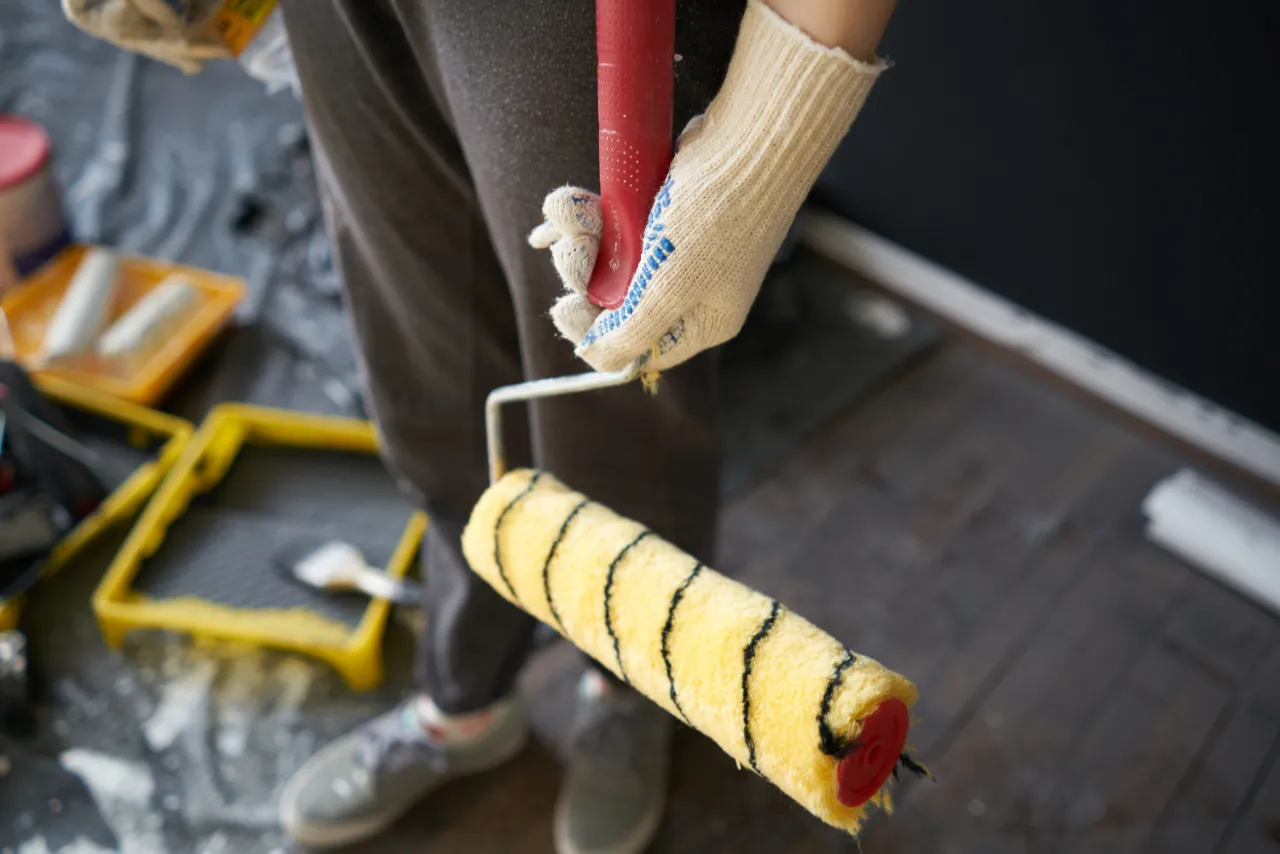
Once your home is repainted, a little maintenance goes a long way. Keep gutters clean so water drains away from your siding instead of running down it. Trim back plants that trap moisture against the walls. Every year or two, walk your exterior and touch up small chips before they spread. A gentle wash removes the mold, algae, and dirt that shorten a paint job's life, which is where power washing helps. Most importantly, make sure the original job was done right, with proper prep, primer, and quality paint applied in good weather. That's the single biggest factor in how long your finish lasts. When peeling paint keeps coming back in the same spot, it's usually a moisture source worth investigating rather than a paint problem alone.
Recent Work
Quick Tips
- Scrape back to a sound edge before any new coat goes on.
- Prime every spot of bare wood, not just the worst areas.
- Paint in dry, mild weather so the coat cures properly.
- Fix the moisture source first, or the peeling comes back.
Planning this project?
Tell us what you have in mind and we will send a free, no-obligation estimate.
Get Free Estimate