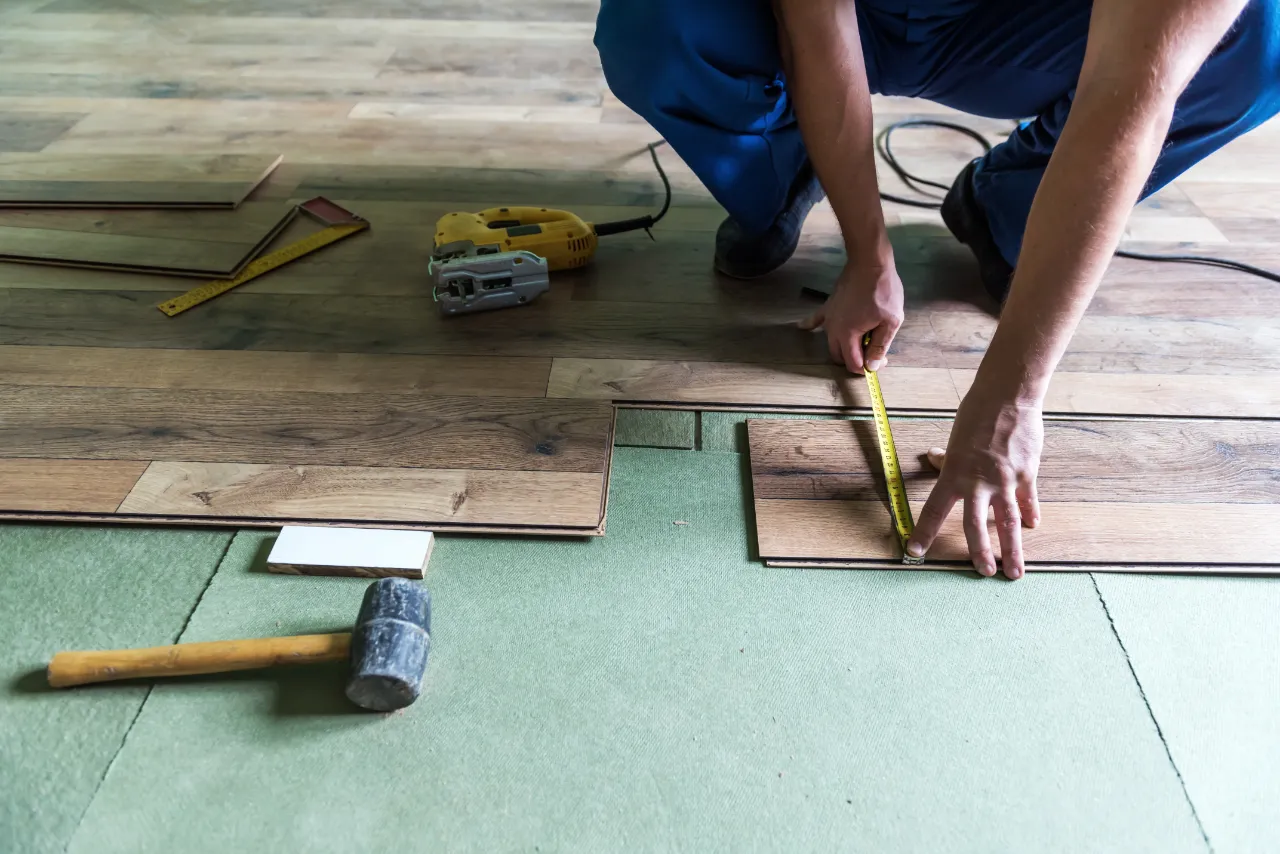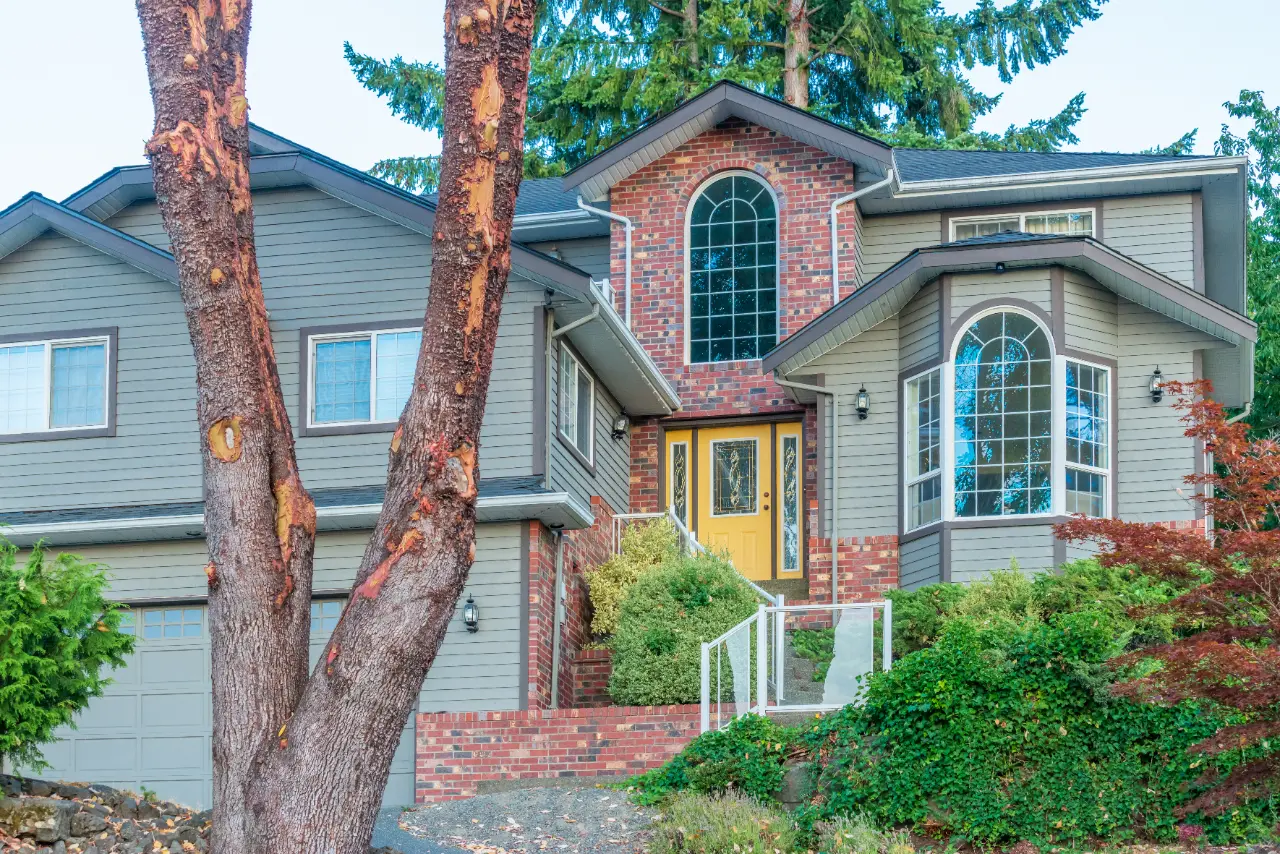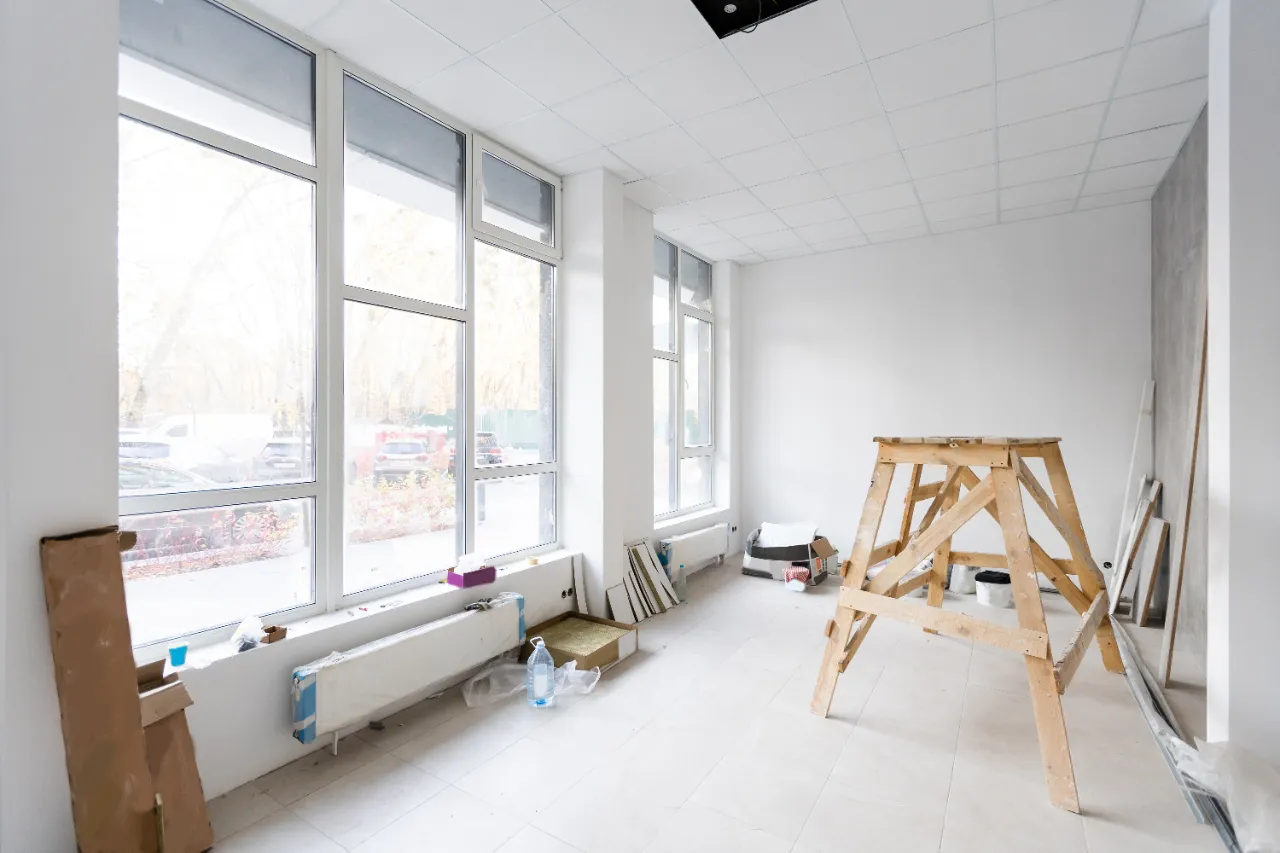
One of the most common questions we hear is how much a home remodel costs in Connecticut, and it's a fair thing to want a handle on before you start. The honest answer is that it varies widely, because a remodel can mean anything from a weekend paint-and-fixtures refresh to a full gut renovation. What we can do is give you a realistic framework: the factors that drive cost, general ranges by project type, and how to budget so you're not caught off guard. Prices in Connecticut also reflect local labor and material costs, permit requirements, and the age of the home, since older houses sometimes hide surprises behind the walls. Instead of chasing a single magic number, this guide will help you understand what you're actually paying for and how to plan a realistic budget. And when you're ready for a real figure, a free estimate on your specific project is always the most accurate path.
What Drives Remodeling Costs
A handful of factors do most of the work in setting your price. Scope is the biggest: the more you change, the more it costs, and moving plumbing, electrical, or walls adds real expense. Materials matter enormously, since the gap between builder-grade and high-end finishes is huge in cabinets, countertops, flooring, and tile. Labor is a major share of any remodel, and skilled trades like plumbing and electrical add up. The size of the space is obvious but real. The age and condition of your home can add cost if demolition uncovers outdated wiring, plumbing, or damage that has to be fixed. Permits and inspections add to the total in most towns. And design complexity, custom work, and tight timelines all push the number up. Understanding these levers helps you see where your budget goes and where you can adjust.
General Cost Ranges by Project
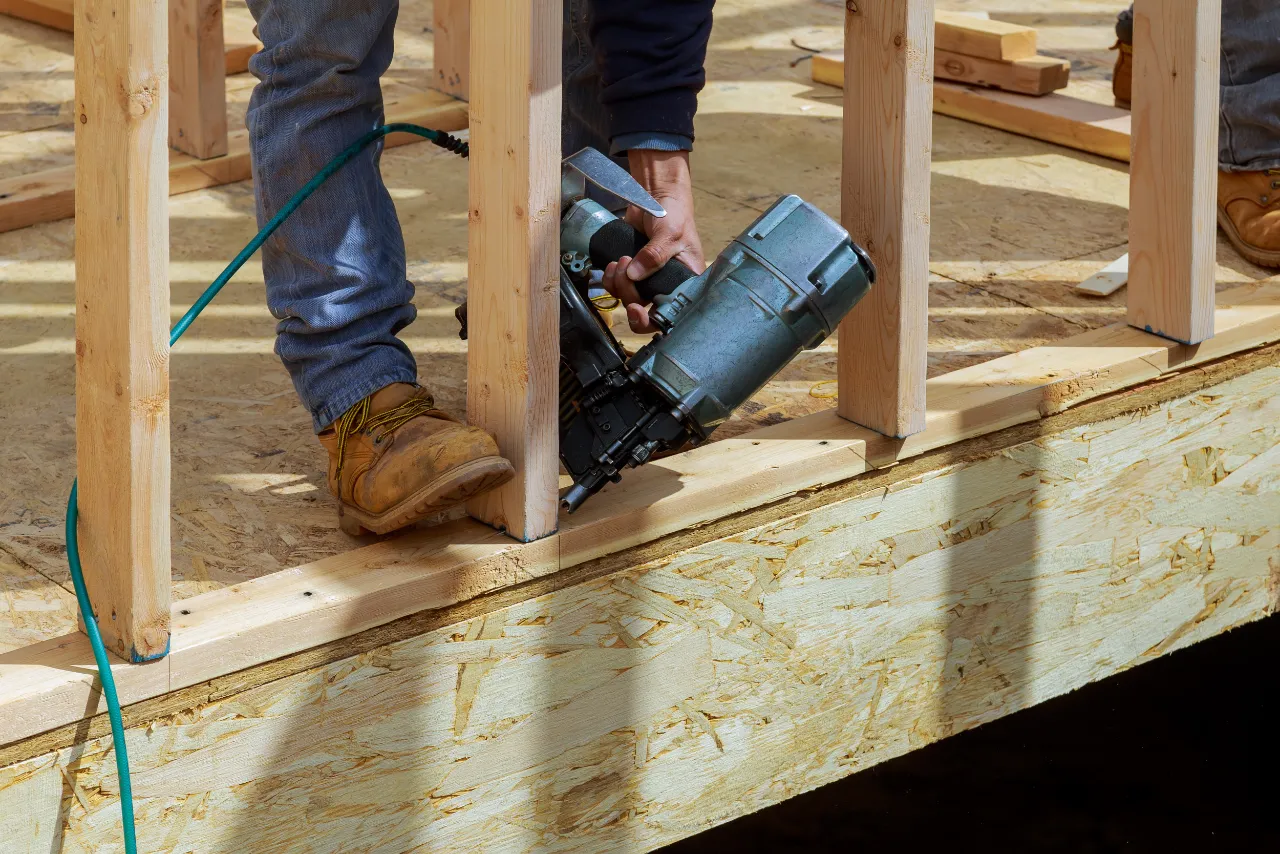
While every project is different, some general ranges help set expectations. A cosmetic refresh, like paint, fixtures, and minor updates, is the most affordable tier and can be done for a modest budget. Bathroom remodels are typically mid-tier, though they're plumbing-heavy, so costs climb with tile, fixtures, and layout changes. Kitchen remodels usually run higher, since they combine cabinets, counters, appliances, flooring, and often plumbing and electrical, with a wide spread from a modest update to a major renovation. Whole-home or full gut renovations sit at the top, since they touch everything. Flooring, painting, and similar single-service projects are priced by area and material. These are broad ranges, not quotes, and your actual cost depends on the specifics. The point is to budget by tier and get a real estimate before committing to a number.

How to Budget for Your Remodel
Smart budgeting starts with a clear scope and a realistic figure, then adds a cushion. Decide what you truly want to change versus what's nice-to-have, since that single choice moves the price the most. Get a detailed estimate that breaks out labor, materials, and any allowances, so you can see where the money goes. Then set aside a contingency, commonly around 10 to 20 percent, for surprises, which are especially common in older Connecticut homes. Prioritize the things that matter most to you, and be willing to phase the project if the full scope is out of budget this year. Choosing mid-grade materials in less-visible areas and splurging where it counts is a proven way to control cost. A good contractor will help you build a plan that fits your budget rather than pushing you past it.

Where You Can Save Without Cutting Corners
There are smart ways to trim a remodel budget that don't compromise quality. Keeping the existing layout, and not moving plumbing or walls, avoids some of the most expensive work. Refinishing or refacing cabinets instead of replacing them can save a large chunk on a kitchen. Choosing durable mid-grade materials that look great, rather than the top luxury tier everywhere, stretches your budget. Doing your own demolition or cleanup, when it's safe, can shave labor. Bundling related work with one contractor is often more efficient than hiring separate crews for each piece. What you don't want to cut is proper prep, licensed work, and quality where it counts, like waterproofing, subfloor prep, and structural elements. Saving there just creates expensive problems later. The goal is a remodel that fits your budget and still holds up for years.
Recent Work
Quick Tips
- Scrape back to a sound edge before any new coat goes on.
- Prime every spot of bare wood, not just the worst areas.
- Paint in dry, mild weather so the coat cures properly.
- Fix the moisture source first, or the peeling comes back.
Planning this project?
Tell us what you have in mind and we will send a free, no-obligation estimate.
Get Free Estimate