If your budget only stretches to one project this year, you may be torn between a kitchen or bathroom remodel. Both add comfort and value, and both are among the most popular home upgrades, so it's a genuinely tough call. The right answer depends on your goals: are you chasing resale value, fixing daily frustrations, or both? Kitchens and bathrooms each deliver in different ways, and the smarter pick often comes down to which room bothers you most and what your home needs. For Connecticut homeowners planning a remodel, it also helps to weigh cost, disruption, and long-term payoff. In this guide, we'll compare kitchen and bathroom remodels on the things that matter: return on investment, daily impact, cost and scope, and how to decide when you can only do one. The goal is to put your remodeling dollars where they'll do the most good for your home and your life.
Return on Investment
Both kitchens and bathrooms are known for strong returns, but they play differently. Kitchens are often called the heart of the home, and an updated kitchen is a major selling point that buyers notice first. A well-done kitchen remodel tends to add significant appeal, though a full high-end renovation costs more, so the return depends on not over-improving for the neighborhood. Bathrooms typically cost less to remodel and can deliver an excellent return, especially updating a dated or worn-out bathroom or adding a bathroom where a home is short on them. If resale is your main goal, both are safe bets, but a smaller bathroom project can offer a strong return for less money. The key is matching the scope to your home's value. Over-improving either room beyond what the neighborhood supports is where returns start to slip.
Daily Impact
Beyond resale, think about which room you actually struggle with day to day. If your kitchen is cramped, dated, or short on storage and you cook often, a kitchen remodel improves your daily life more than almost any other project. If your only bathroom is worn out, or a growing household is fighting over one, a bathroom remodel or addition solves a real daily headache. This is where personal use should carry weight. A remodel you live with every day pays dividends in comfort even before you sell. Ask yourself which room causes the most friction each morning and evening. That frustration is a strong signal. Sometimes the highest-value project isn't the one with the best resale number, but the one that fixes the thing you notice and resent every single day in your Connecticut home.
Cost and Scope
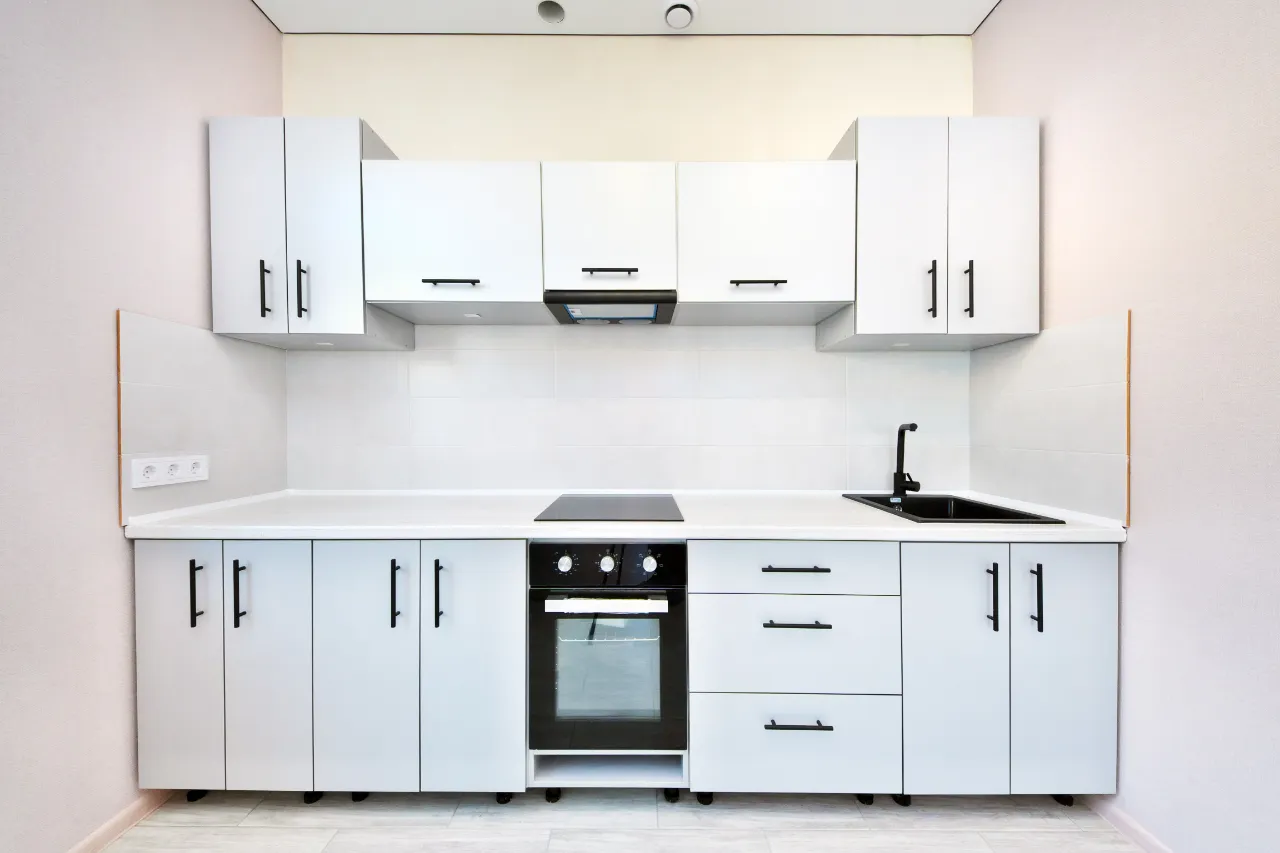
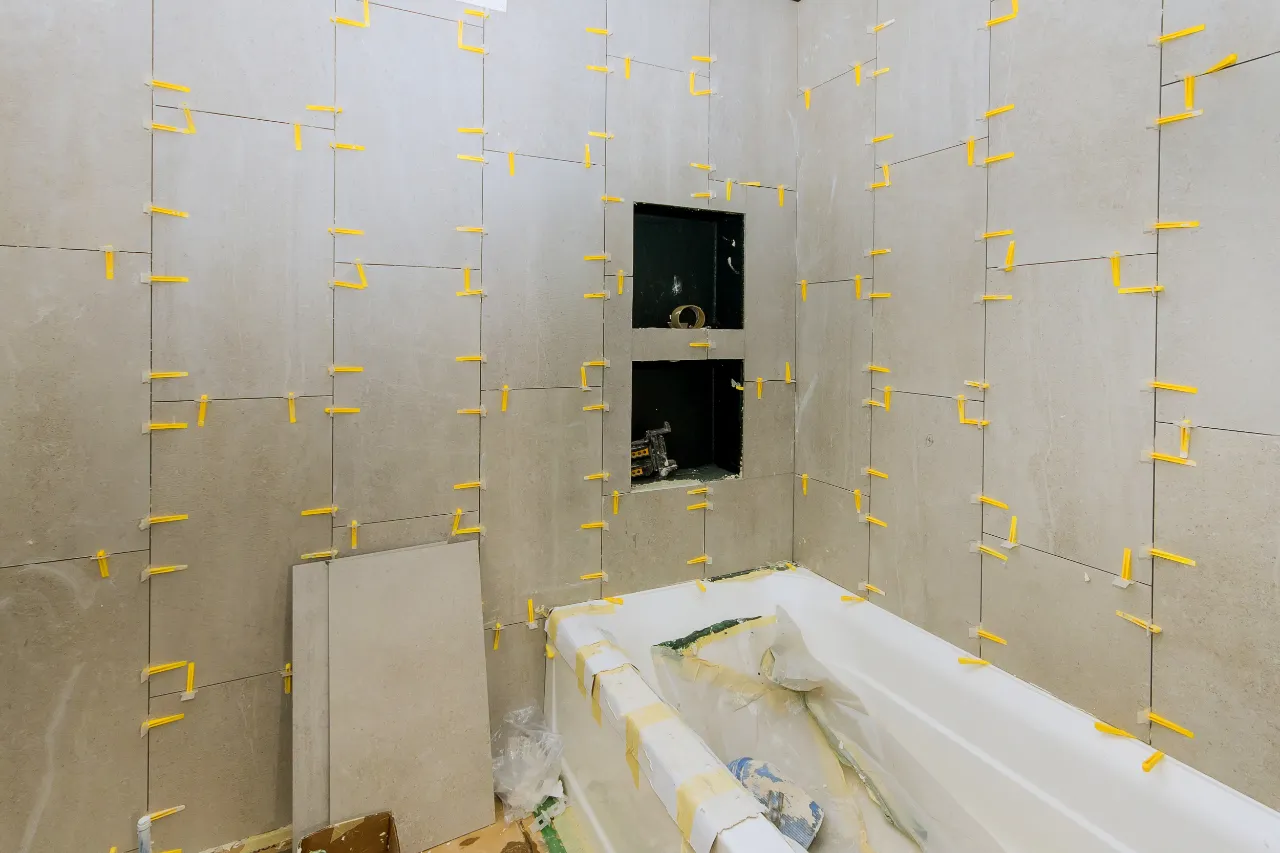
Budget shapes the decision more than anything. Kitchens are generally the more expensive remodel, since they involve cabinets, countertops, appliances, flooring, plumbing, and often electrical work. That range runs from a modest refresh to a major investment for a full renovation. Bathrooms are typically smaller in footprint and cost less, though they're plumbing-intensive and detail-heavy, so they're not cheap either. A smaller budget often points toward a bathroom first, since you can complete a meaningful update for less. A larger budget may justify tackling the kitchen, which tends to have the bigger impact on how the whole home feels. It's worth getting real numbers before you decide, since scope choices, materials, and the age of your home all move the figure. A free estimate for each project makes the comparison concrete instead of theoretical.

How to Decide When You Can Only Do One
When it comes down to one project, use a simple filter. First, is anything failing or unsafe? A leaking, deteriorating bathroom that risks water damage should jump the line. Second, what's your primary goal, resale or daily comfort? For resale, weigh the kitchen's broad appeal against the strong, lower-cost return of a bathroom. For daily life, pick the room that frustrates you most. Third, what does your budget realistically cover? It's better to fully finish one room than to stretch across two and leave both half-done. For many Connecticut homeowners, the answer is to start with the room that's either failing or driving them crazy, then plan the second project for a future budget. A contractor can help you sequence the work so each phase builds toward the home you want.
Recent Work
Quick Tips
- Scrape back to a sound edge before any new coat goes on.
- Prime every spot of bare wood, not just the worst areas.
- Paint in dry, mild weather so the coat cures properly.
- Fix the moisture source first, or the peeling comes back.
Planning this project?
Tell us what you have in mind and we will send a free, no-obligation estimate.
Get Free Estimate