If you're planning a kitchen renovation, one of the first things you'll want to know is how long a kitchen remodel takes. It's a fair question, since the kitchen is the hardest-working room in the house, and being without it is inconvenient. The honest answer is that it depends on the scope, but most kitchen remodels fall into a predictable range once you know what's involved. A light refresh moves fast. A full gut renovation that changes the layout, plumbing, and electrical takes considerably longer. For Connecticut homeowners, factors like permit timing, material lead times, and the age of the home all play a role. In this guide, we'll break down a realistic timeline for a kitchen remodel, what makes it faster or slower, how to plan around the disruption, and where delays usually come from. Knowing what to expect helps you plan life around the project instead of being caught off guard.
A Realistic Kitchen Remodel Timeline
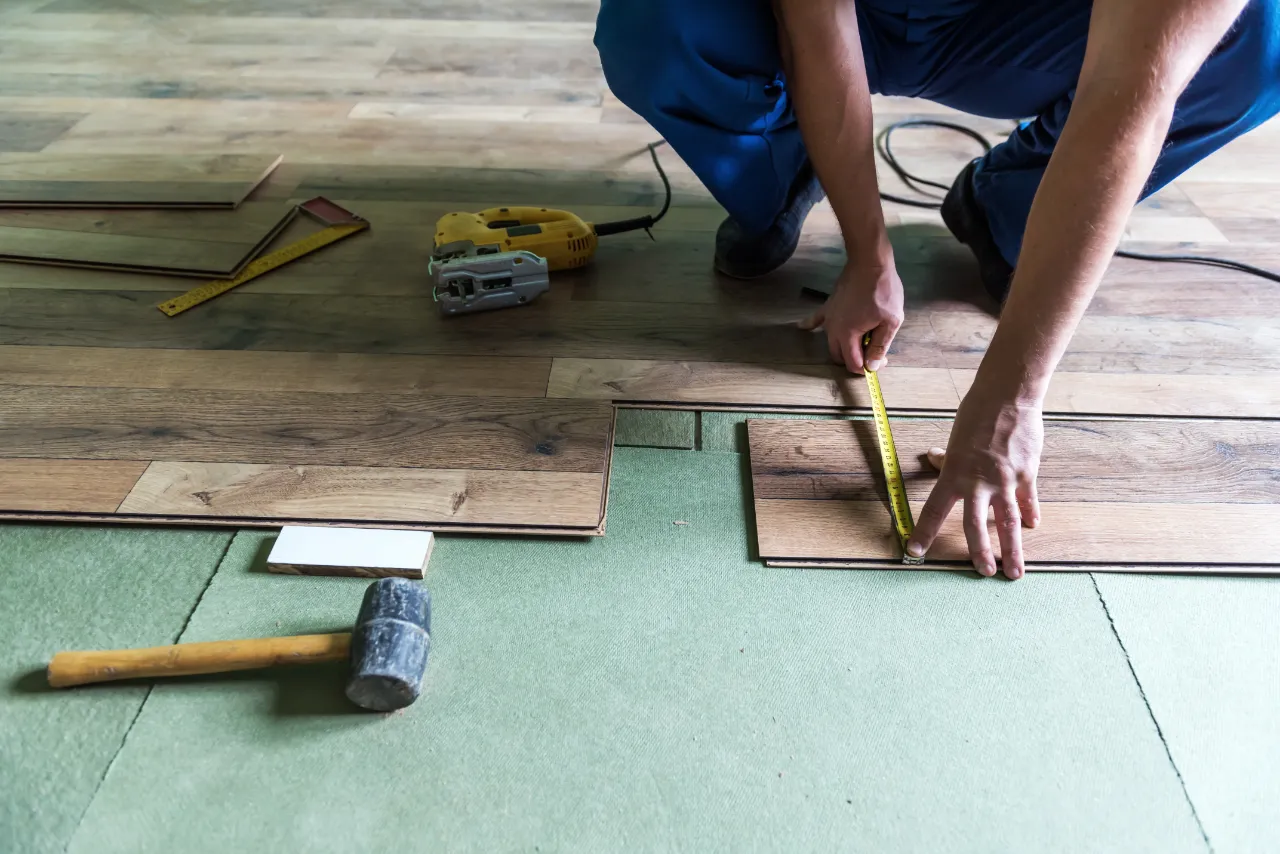
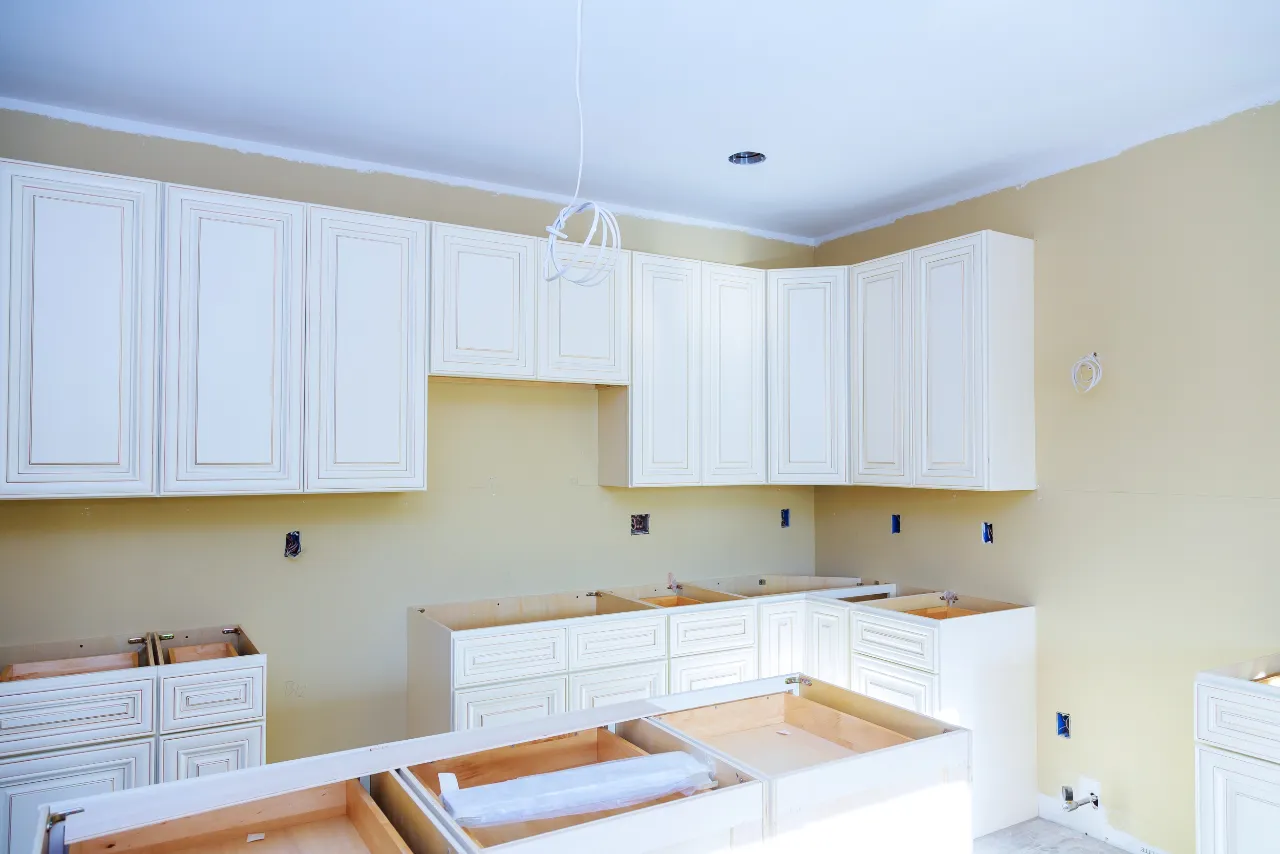
For most homes, a full kitchen remodel takes somewhere in the range of a few weeks to a couple of months of active work, once the project starts. A cosmetic refresh, like new paint, hardware, countertops, and a backsplash, can wrap up in a week or two. A midrange remodel with new cabinets, flooring, and fixtures usually runs several weeks. A full gut renovation that moves walls, plumbing, or electrical, and includes custom cabinetry, sits at the longer end. It's worth separating planning from construction, too. The hands-on build might be a few weeks, but design, ordering materials, and permits happen before anyone swings a hammer. That prep phase often takes as long as the construction itself, which surprises a lot of homeowners. A clear plan up front is what keeps the actual build on schedule.
What Makes a Remodel Faster or Slower
Scope is the biggest factor. The more you change, the longer it takes, and moving plumbing or electrical adds real time. Custom cabinets take weeks to build and deliver, while stock cabinets are faster. Material availability matters too, since a backordered tile or countertop can stall progress. The age and condition of your home play a role, especially in older Connecticut houses where opening a wall can reveal outdated wiring or hidden damage that has to be addressed. Permit timing varies by town and can add days or weeks up front. Decisions matter more than people expect: a homeowner who finalizes selections early keeps things moving, while last-minute changes create delays. Working with one contractor who coordinates trades, rather than juggling separate crews, is one of the best ways to keep a kitchen remodel on track.
Planning Around the Disruption
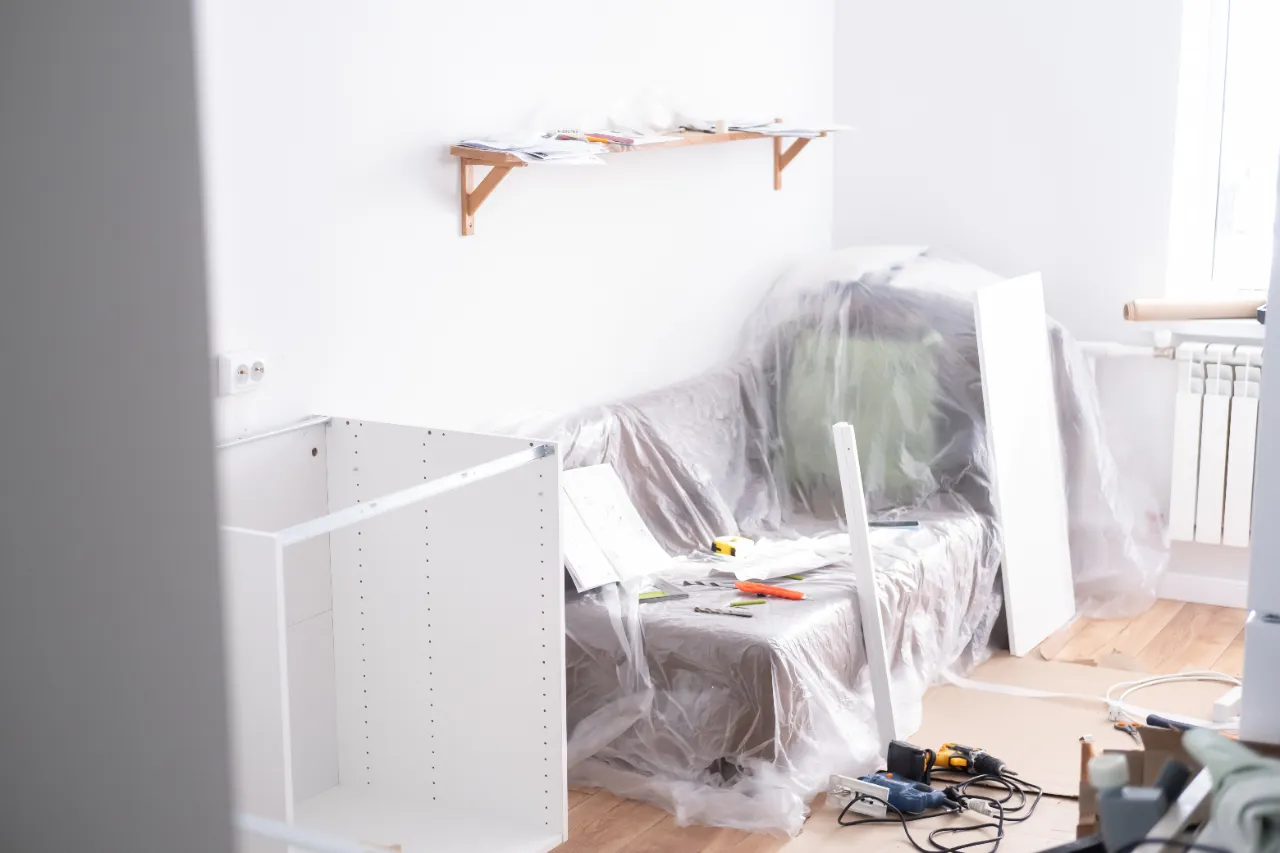
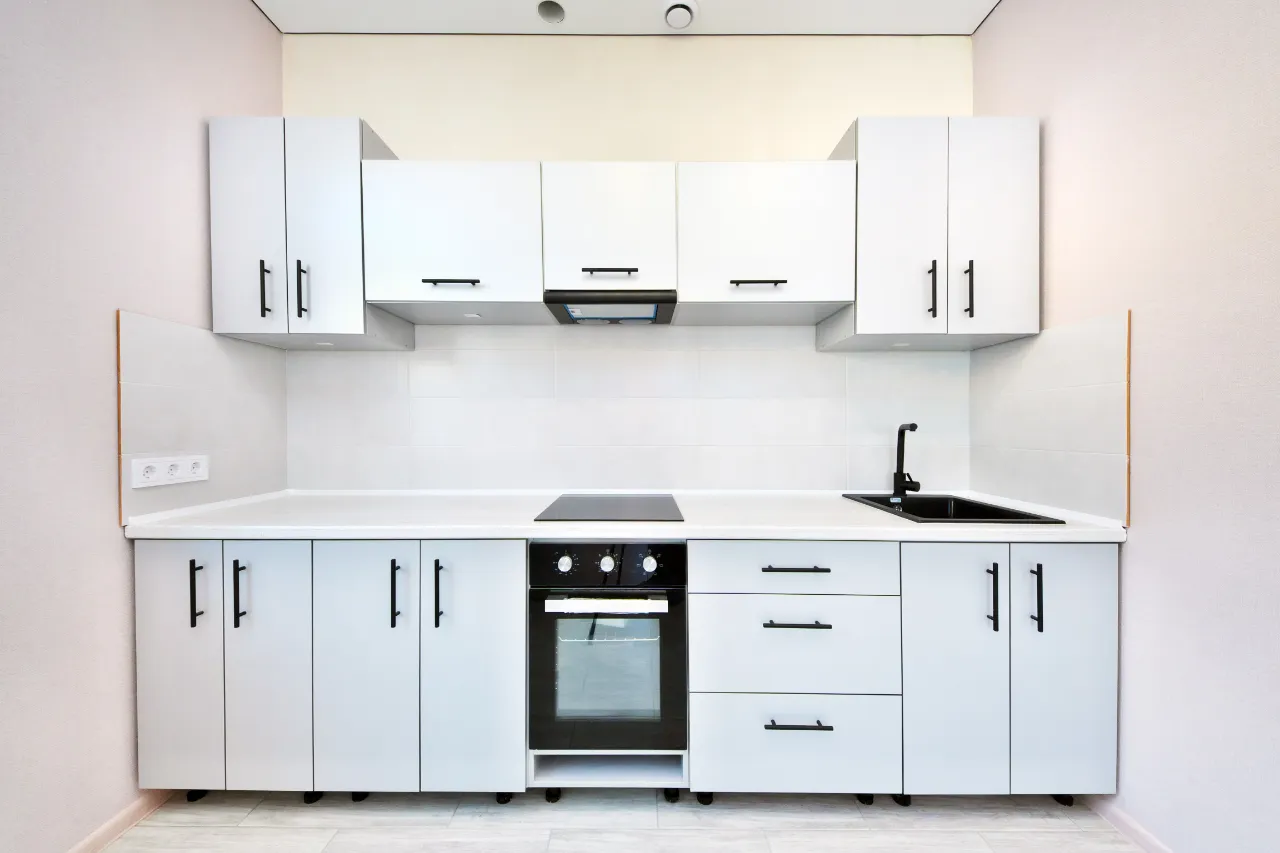
A kitchen remodel means living without your kitchen for a stretch, so it helps to plan ahead. Set up a temporary kitchen zone somewhere else in the house with a microwave, a coffee maker, and a few essentials. Pack up the kitchen before work starts so the crew can move fast on day one. If you have pets or kids, plan for the noise, dust, and reduced access. Ask your contractor for a realistic schedule and the key milestones, so you know when demolition, cabinets, counters, and final finishes happen. Building in a little buffer is smart, since even well-run projects hit occasional surprises. The clearer your expectations going in, the less stressful the process feels. A good contractor keeps you updated, so you're never guessing where the project stands.
Where Delays Usually Come From
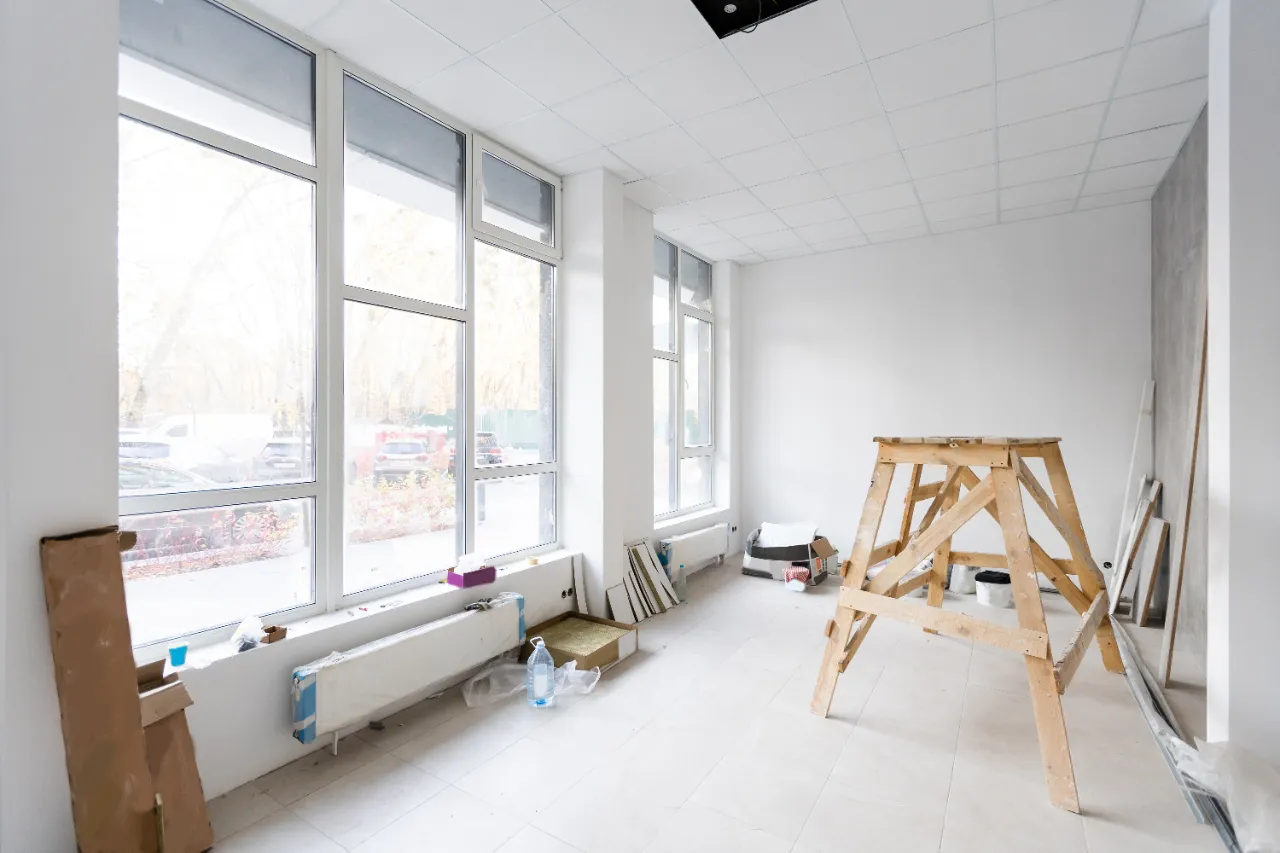
Most kitchen remodel delays trace back to a handful of causes. Material lead times top the list, especially for custom cabinets, specialty tile, and stone countertops that are cut to order. Change orders are next: deciding to move a wall or upgrade materials mid-project resets part of the schedule. Hidden conditions in older homes, like outdated wiring, plumbing issues, or water damage found during demolition, can add time once they're uncovered. Permit and inspection timing varies by town. And coordination gaps, where one trade is waiting on another, slow things down when a project isn't managed tightly. The best defense is planning: finalize selections early, order long-lead items up front, and work with a contractor who coordinates the whole job. That's what keeps a Connecticut kitchen remodel moving from start to finish.
Recent Work
Quick Tips
- Scrape back to a sound edge before any new coat goes on.
- Prime every spot of bare wood, not just the worst areas.
- Paint in dry, mild weather so the coat cures properly.
- Fix the moisture source first, or the peeling comes back.
Planning this project?
Tell us what you have in mind and we will send a free, no-obligation estimate.
Get Free Estimate